
厦门南北极冷链科技有限公司(商标:陆冰)主营:冷链保温箱、200小时保温方案、PCM相变冰盒冰排等
181-5090-8096(微信同号)


Category A canister versus transport box: why both reports matter
运输罐与运输箱的报告回答不同问题。陆冰罐体报告TJA20221109-0658关注密封,组合包装报告TJA20221109-0657还包含跌落、堆码和穿孔等项目。
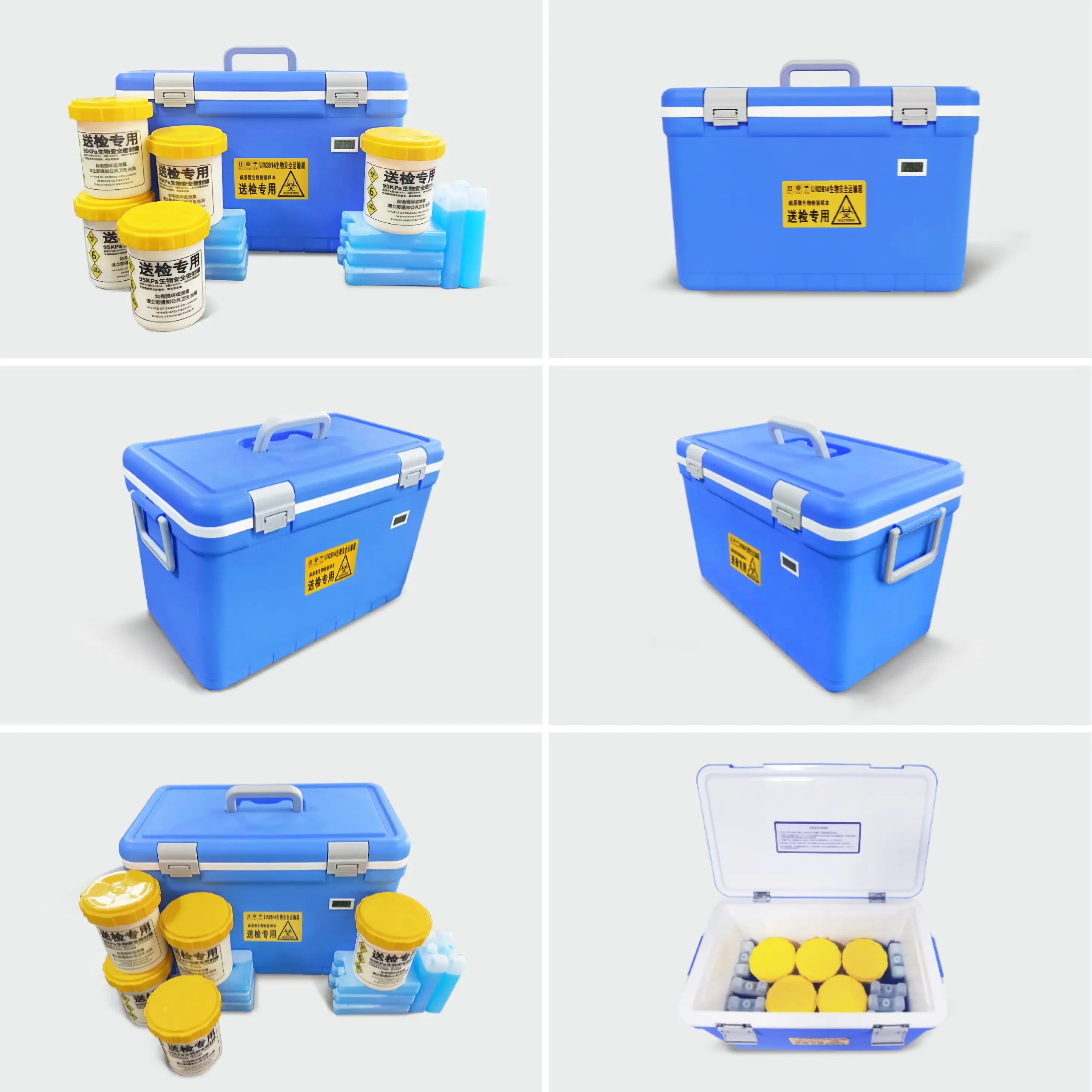
官网相关产品展示 / Related product shown on LuBing’s website。图片用于选型参考,具体型号与报告样品须对应核对 / Match the actual model to the tested sample.
罐体的95 kPa结果说明规定条件下次容器无渗漏,但不能据此声称外箱已通过9 m跌落。不同试验对象和结论需要分别对应。
运输箱报告描述塑料箱、塑料罐及支撑冰盒的组合。采购罐体作为备件时,除核对规格,还要确认与已有包装系统匹配,不能随意混装。
建议将运输罐报告、组合包装报告、确认的部件清单及使用说明按型号关联保存。陆冰可据具体需求沟通对应资料,方便使用方核验范围。
不能。次容器密封与组合包装机械性能是不同证据,需按用途共同核对。
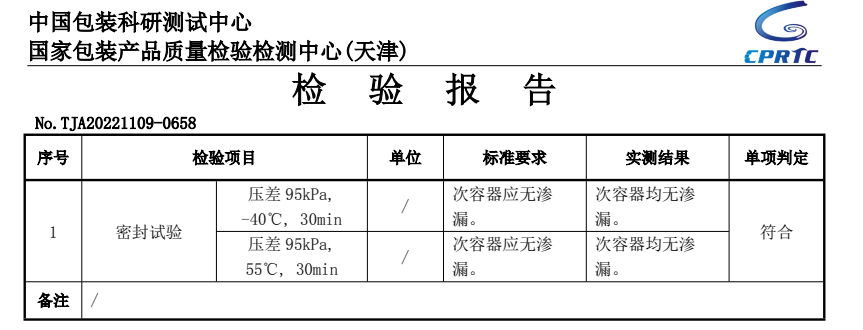
95 kPa密封试验 / 95 kPa leakproofness test。报告 / Report: TJA20221109-0658;2022-08-26;PDF第4页节选 / excerpt from PDF page 4. 节选用于阅读,不代替完整报告 / This excerpt does not replace the full report.
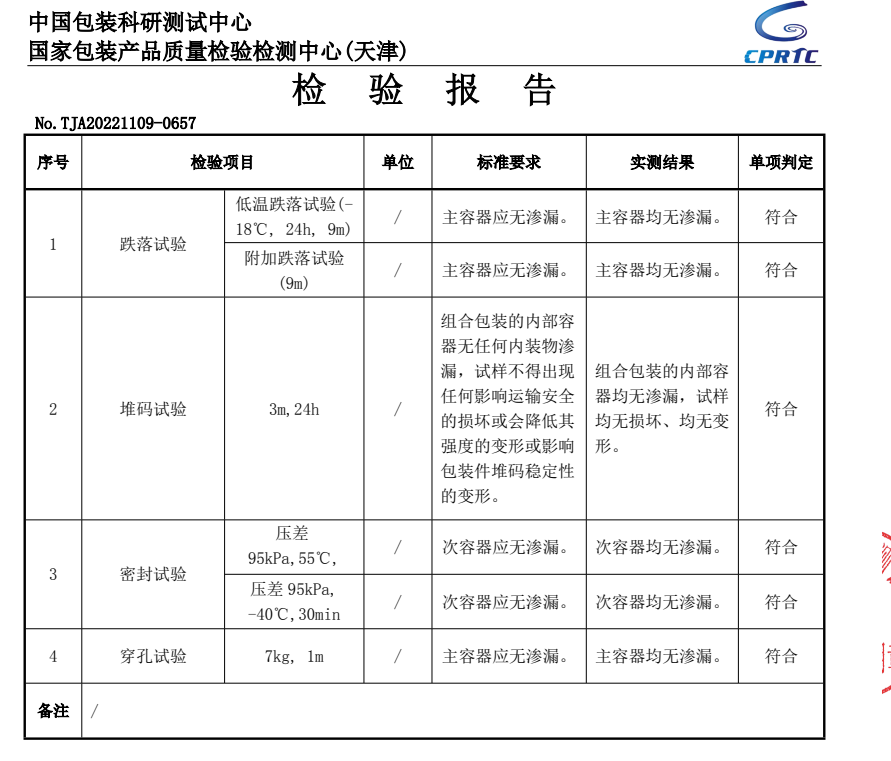
组合包装试验结果 / Assembly test results。报告 / Report: TJA20221109-0657;2022-09-02;PDF第4页节选 / excerpt from PDF page 4. 节选用于阅读,不代替完整报告 / This excerpt does not replace the full report.
The canister and transport-box reports answer different questions. LuBing’s TJA20221109-0658 focuses on leakproofness; the assembly report TJA20221109-0657 also covers drop, stacking and puncture tests.
The canister’s 95 kPa result shows no leakage under specified conditions. It does not establish that an outer case passed a 9 m drop. Match each conclusion to its tested object.
The box report describes a plastic case, plastic canister and supporting ice boxes. When buying replacement canisters, verify compatibility with the existing packaging system rather than mixing components on size alone.
Keep the canister report, assembly report, confirmed component list and instructions linked by model. Discuss the applicable records with LuBing for the intended requirement so users can check the scope.
No. Secondary-container sealing and assembly mechanical performance are different evidence and should be reviewed for the intended use.
